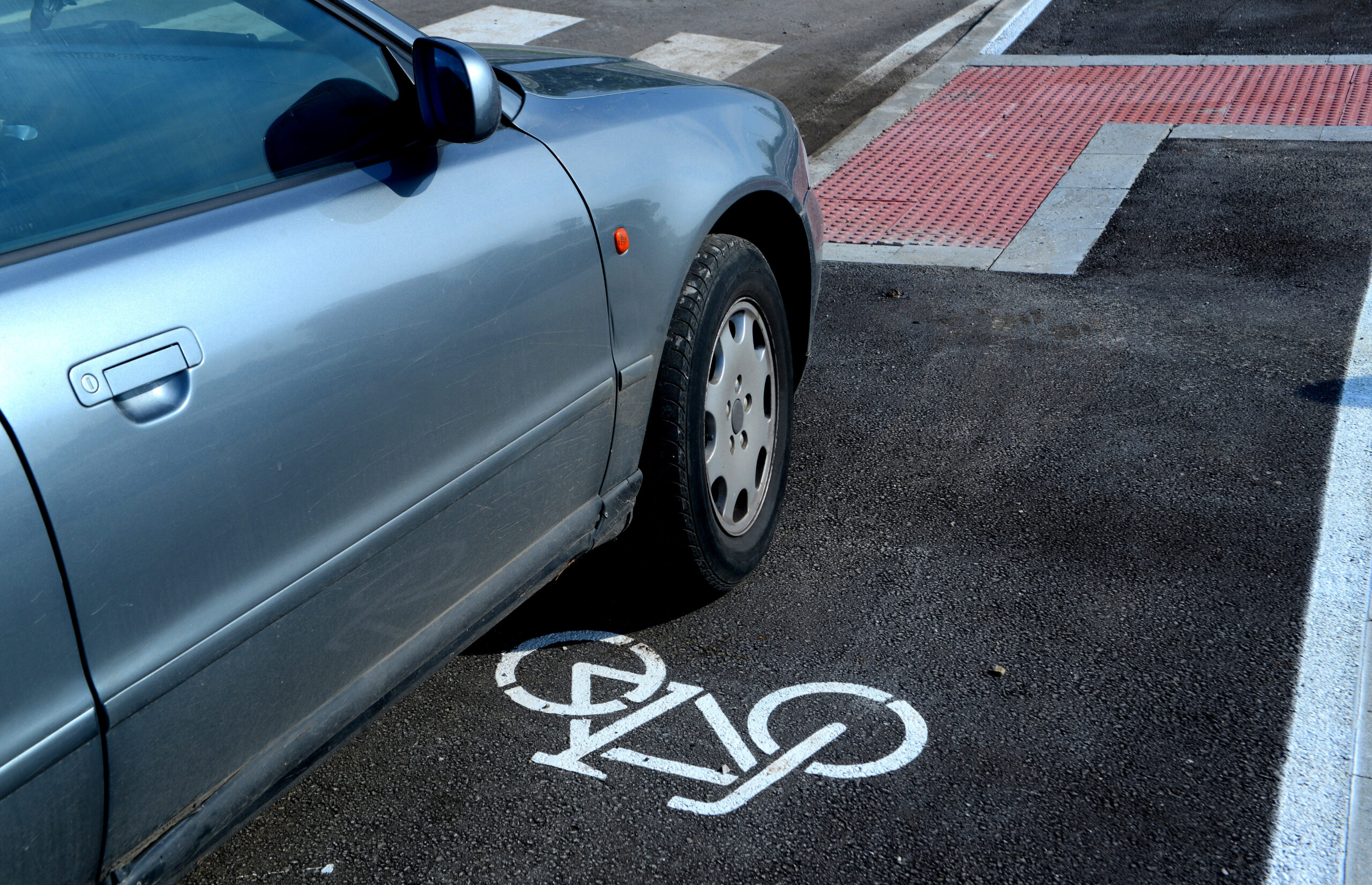
In many California right hook crashes, responsibility often falls on the driver who made the turn, though fault ultimately depends on the specific facts of each case. Motorists are legally required to stay aware of their surroundings, account for a cyclist’s speed and position, signal appropriately, and wait until the turn can be completed without creating a hazard.
Comparative Fault Under California Law
California follows a pure comparative negligence system. This means an injured cyclist may still recover compensation even if they are partially at fault, but the recovery is reduced by their assigned percentage of responsibility. Because of this rule, early statements and investigations can significantly affect the outcome of a claim.
As fault is being determined, insurance carriers may argue that the cyclist contributed to the crash, claiming the rider was traveling too fast, positioned in a blind spot, outside a marked bike lane, or failed to obey a traffic signal. To address these arguments, a right hook bicycle accident lawyer examines police reports, citations, surveillance footage, witness statements, roadway layout, and vehicle positioning to clarify how the collision occurred and who is responsible.
What Compensation May Be Available in a Right Hook Collision
Depending on the circumstances, injured cyclists may pursue compensation for:
- Emergency medical treatment and hospitalization
- Surgeries, rehabilitation, and future care
- Lost income and diminished earning capacity
- Pain and suffering
- Permanent disability or disfigurement
- Bicycle and gear replacement
- Wrongful death damages in fatal cases
California generally allows two years to file a personal injury lawsuit, a deadline known as the statute of limitations. Acting promptly helps preserve evidence and protect your right to seek financial recovery.