When I was in law school, I used to work nights in the law library. After the library closed, I would walk to the nearest bus stop, 30 minutes away, where I would catch the last bus home. One night, I was running a little late, or maybe the bus was running a little early. Whichever it was, I saw the bus approaching the stop from a distance, and began sprinting for the stop, but I was just too far away. I missed the last bus home. I briefly considered calling a cab, but it was really out of the question for a law student with no money, so I started walking along Barbur Boulevard, back towards downtown Portland. After a walk that lasted several hours, I finally arrived home in the early morning hours.
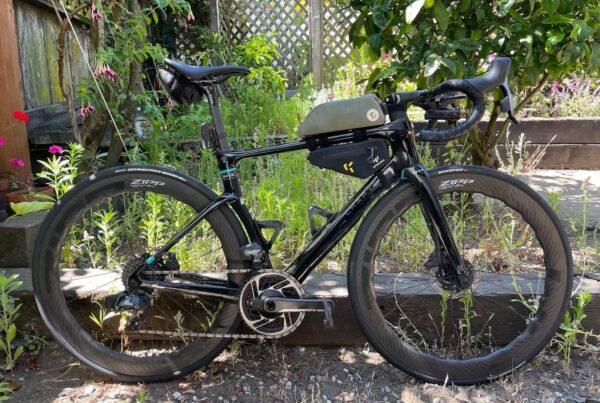
I thought about that walk home two weeks ago, when I heard about a hit and run crash that left a Lewis and Clark College student lying crumpled on Barbur Boulevard. The student, Henry Schmidt, 20, had been riding back to campus from his job in town, when he got a flat. He started walking his bike home, when, within minutes, he was hit by a driver who then left the scene. Schmidt sustained severe injuries, including a lacerated spleen, broken clavicle, two broken legs, three broken vertebrae, a fractured cheekbone, along with scrapes and contusions.
This was not the first time that a cyclist who was walking home was hit on Barbur. In December of 2010, Angela Burke, 26 was hit and killed while walking her bike home on Barbur. That driver, Caleb Pruitt, then 28, was arrested, and eventually pleaded guilty to plead guilty to Criminally Negligent Homicide, Driving Under the Influence of Intoxicants, and three counts of Recklessly Endangering Another Person, for which he was sentenced to 60 months in prison.
I thought about that too, when I heard about Henry Schmidt. Would the driver who hit Schmidt and left him lying in the road be found, or would the driver get away with the crime?
We got an answer on August 22, when the driver was arrested and booked on two counts of Felony Hit and Run. Now, I regularly see news stories about cyclists being hit by cars, and a lot of those stories have one thing in common—a hit and run driver. So much for the meme about “scofflaw cyclists.” I don’t write about every hit and run, simply because there are so many hit and runs, many of them never solved. But the thing that struck me about this particular crash was what we learned afterwards, about the driver’s version of events, and about her driving record.
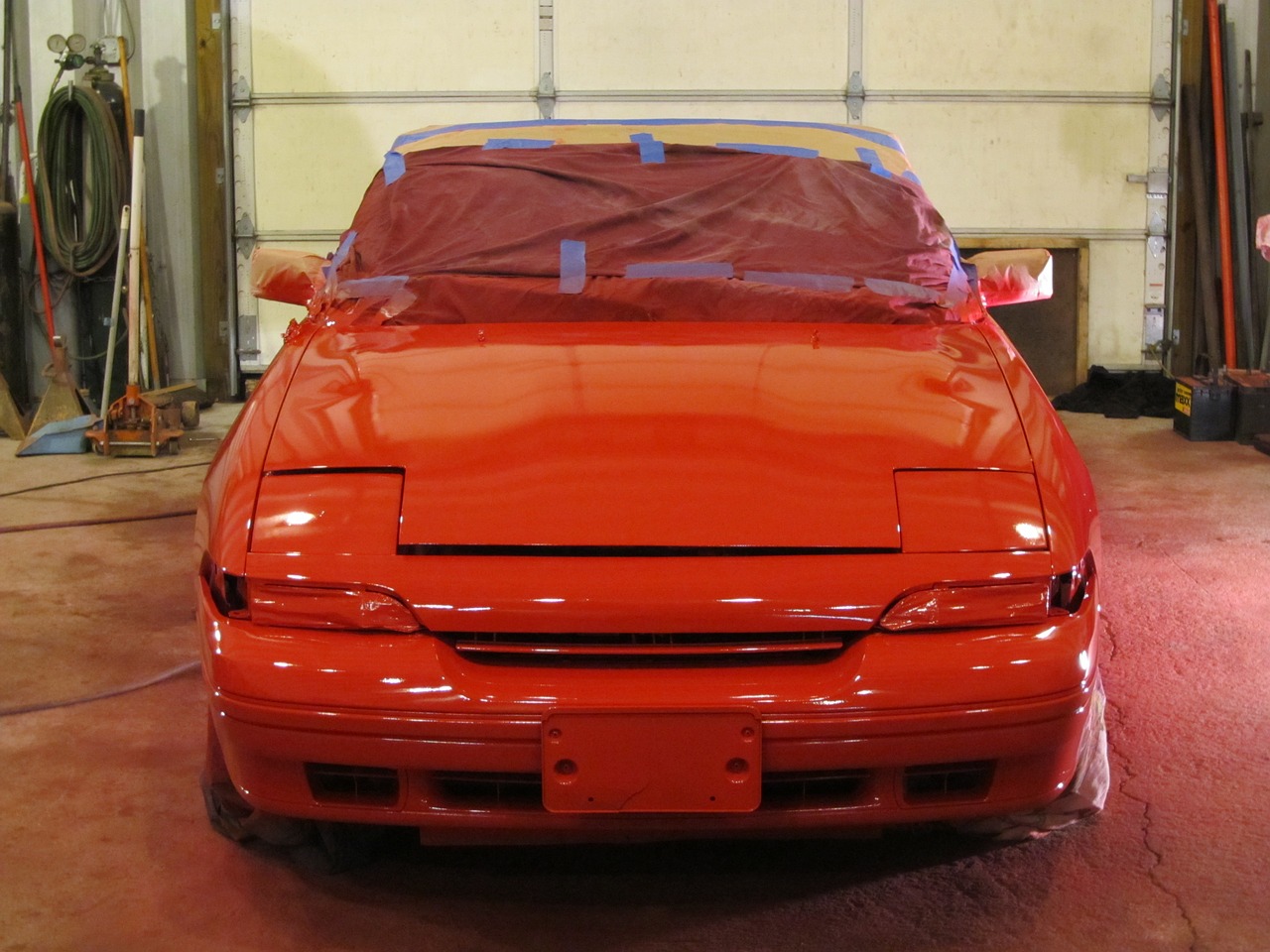
Let’s start with what we now know happened. Miriam Clinton, 29, was driving home from downtown Portland at 12:50 A.M. on August 16, when she hit Schmidt. She drove off, leaving Schmidt lying severely injured on the roadway. Within a week, police received an anonymous tip that led them to Clinton’s car, a black 2011 Subaru Legacy, at a body shop in Wilsonville, Oregon. Now, the collision occurred in Portland, on a road that leads to Clinton’s home in Lake Oswego. That’s not unusual. But Clinton didn’t take her car to the Subaru body repair shop in Oregon City, just 5 miles from her Lake Oswego home. She didn’t take her car to a body repair shop in Portland. Instead, she had her car towed to Wilsonville, some 11 miles south of her Lake Oswego home, and some 18 miles south of Portland. The kind of thing somebody might do if they were involved in a serious hit and run and wanted to destroy the evidence far from the prying eyes of the Portland Police Bureau’s crash investigation unit.
Well, that’s what we know. But what did Miriam Clinton’s attorney have to say? She informed him that she “might have been” involved in the crash. Might have been involved.
And “We stopped the repairs when we realized that the car might be evidence for the police.” Might be evidence.
Her attorney also called the District Attorney’s office, presumably to inform them that she “might have been” involved in the hit and run, and “arranged to have her visit the police station” that afternoon. And of course, he called the body shop and told the workers to stop the repairs to Clinton’s car, and to release it to police without a warrant.
You’d get the impression, reading Clinton’s account, that she suddenly realized that her car might have hit a cyclist, and then voluntarily came forward to further the interests of justice. Except there’s this: That anonymous tip to the police. It was only after the police received the anonymous tip, and after the police went to the body shop, that Clinton suddenly “realized” that she “might have been involved in the crash,” hired a criminal defense attorney, and came forward, good citizen that she is.
And then more details emerged. When Clinton hit Schmidt, she was driving on a suspended license. And it wasn’t even her first suspension. It was her fourth suspension since 2009. In fact, since 2007, Clinton has had12 convictions on traffic violations, including 5 convictions for speeding, improper use of a seat belt, failure to obey a traffic device or signal, driving while using a cell phone, and driving while suspended.
And it was this atrocious driving record, as much as her insulting attempt to paint herself as somebody who suddenly “realized” one fine summer day that she “might have been involved” in a vicious hit and run, that makes this particular hit and run even more egregious.
Clinton has been arraigned on charges of Hit and Run and Tampering with Physical Evidence, and pleaded not guilty to those charges on August 23rd. It is unknown, and never will be known, if Clinton was DUII when she hit Schmidt and left him lying in the road. But given the seriousness of her crimes, if convicted, Clinton faces some combination of incarceration, substantial fines, monetary penalties, and suspension of her license for one year. In all likelihood, Clinton will reach a plea agreement in which she will plead guilty to the charges, or perhaps even to reduced charges, in exchange for a break in sentencing.
But given her history, whatever sentence she receives will not be enough to keep her off the road. We know this, because she has already demonstrated four times now that nothing can keep her from driving. License suspensions mean nothing to her. I doubt even a license revocation means anything to her. So when the State suspends her license for a fifth time, we can only assume that Miriam Clinton will continue to drive.
And what do we as a society do with a person like that?