
An electric bike rider can face a DUI or a similar impaired-cycling charge in some states. The specific risk depends on the laws where you ride and on how your...
Read More
bicyclelaw

California’s electric bike laws determine not only what qualifies as an e-bike, but also where riders can legally operate one and which safety requirements apply. Under California Vehicle Code Section...
Read More

A collision between a bicycle and a passenger vehicle often leaves the cyclist with serious injuries. Unlike people inside a car, cyclists have little physical protection during an impact. Even...
Read More

Class 3 e-bikes are becoming a more common sight on California roads, bike lanes, and shared paths. Their ability to travel at higher speeds can make commuting and longer rides...
Read More

Electric bicycles have opened up new possibilities for commuting, recreation, and everyday transportation. As more people choose to ride e-bikes, understanding how they are classified has become increasingly important. The...
Read More
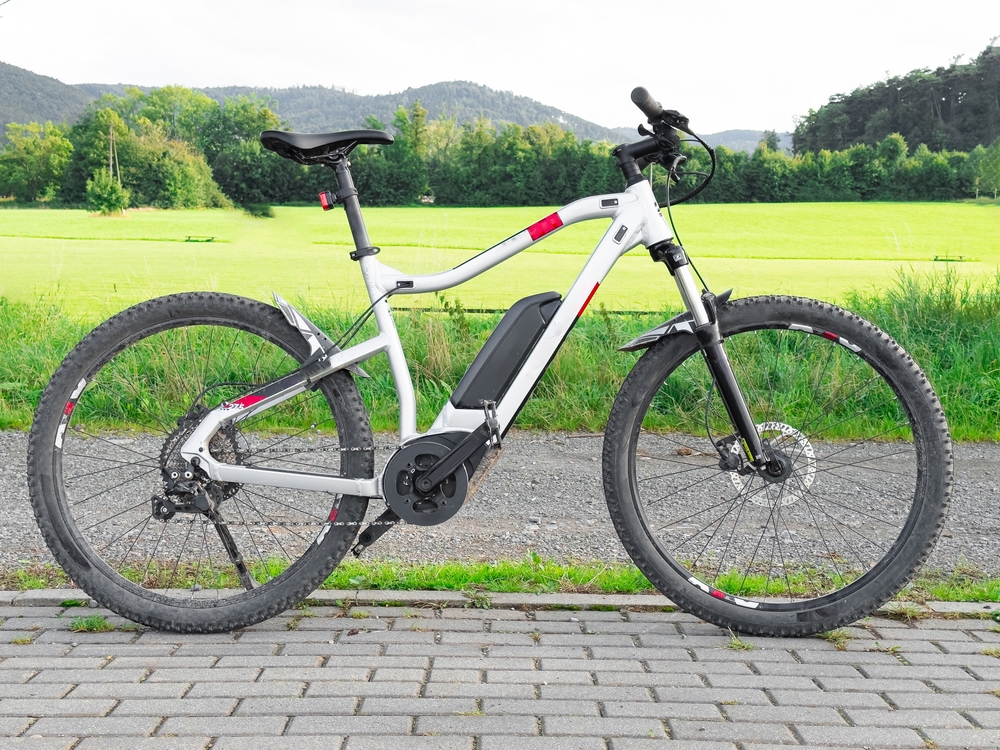
Electric bikes are generally street legal in the United States, but laws vary across jurisdictions, so an e-bike that is legal on one road, bike lane, or trail may not...
Read More

Cyclists riding on public roads have many of the same rights and responsibilities as people driving motor vehicles. One of those responsibilities includes using proper bicycle hand signals to communicate...
Read More
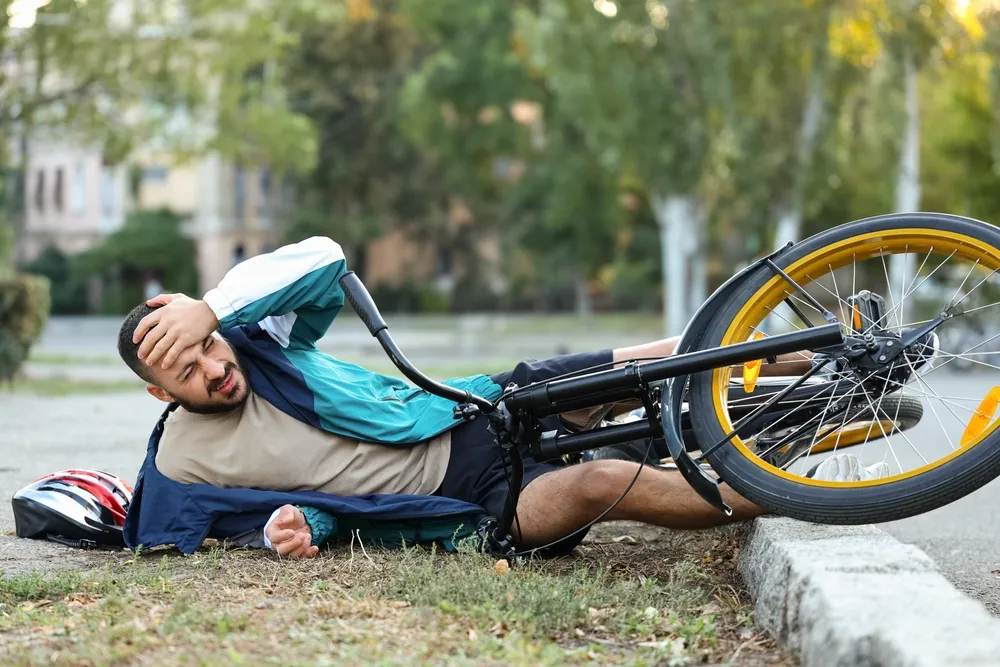
A bicycle accident can cause serious eye injuries in an instant. A cyclist could strike an array of objects, including windshields, handlebars, pavement, or gravel, leaving the eyes and surrounding...
Read More

In most states, you do not need a driver's license to ride an electric bike. Standard Class 1, Class 2, and Class 3 e-bikes are generally treated like traditional bicycles,...
Read More

E-bikes have changed the way many people get around, making cycling a practical option for commuting, recreation, and everyday travel. As e-bike ownership continues to grow, many riders are left...
Read More