
Loose Debris, Gravel, and Drainage Issues
Sand, gravel, standing water, or roadway debris can reduce traction and make it difficult to brake or turn safely. Water can also hide deeper hazards beneath the surface.
Dangerous road conditions pose serious risks to cyclists across California. A pothole, uneven pavement, or a sudden gap in a bike lane can cause a rider to lose control in an instant. Many of these incidents are tied to preventable issues with maintenance or roadway design.
Cities, counties, state agencies, and private contractors all play a role in keeping roads reasonably safe. When a dangerous condition is not addressed, injured cyclists may have the right to pursue compensation.
Bicycle Law represents injured cyclists throughout California. We work to identify the parties responsible for unsafe road conditions and advise our clients of their rights under California law.
These crashes occur when hazardous road conditions, such as potholes, uneven pavement, debris, or poor roadway maintenance, cause a cyclist to lose control and suffer injuries.
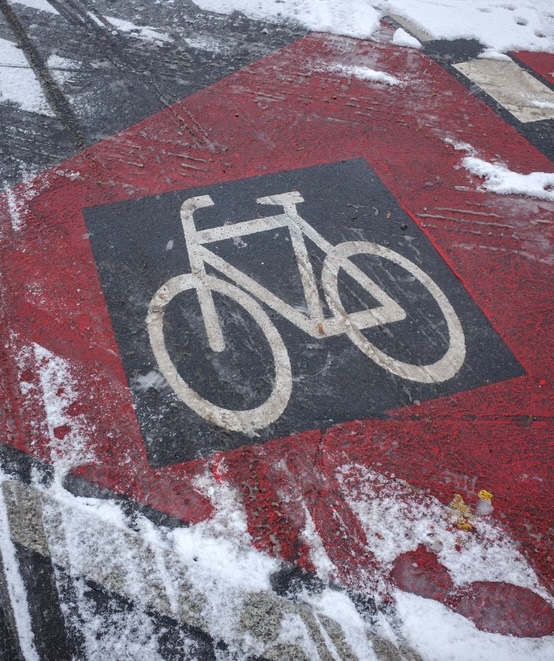
Dangerous road conditions are physical defects or design flaws that create an unreasonable risk of harm for people using the roadway. For cyclists, these hazards are often more severe than they appear.
A road issue that may seem minor to a driver can be dangerous on a bicycle. A small pothole, a slick metal plate, or a shallow groove in the pavement can catch a tire and cause a sudden crash. Cyclists have less stability and protection, which makes even small defects capable of causing serious injuries.
Many of these incidents are not isolated or random. They often result from ongoing maintenance problems, poor roadway design, or delayed repairs. When a hazard remains in place long enough to put cyclists at risk, it may form the basis of a legal claim against the responsible party.

Road condition bicycle accidents often stem from hazards that could have been prevented with proper maintenance, design, or warnings. What might seem like a minor issue in a car can pose a serious risk to a cyclist.
Sand, gravel, standing water, or roadway debris can reduce traction and make it difficult to brake or turn safely. Water can also hide deeper hazards beneath the surface.
Metal plates, grates, blind curves, and high-speed roads without safe space for cyclists can create dangerous riding conditions. Intersections without clear bike lane transitions can force cyclists into unsafe positions.
Missing signs, faded bike lanes, poor lighting, and unmarked construction zones can leave cyclists without enough time or visibility to avoid hazards.
A bicycle tire can catch on a raised edge, crack, or pothole, causing the rider to lose control or be thrown over the handlebars. Even small surface irregularities can lead to a crash.
Cyclists lack the protective barriers that shield riders in vehicles, making them especially vulnerable in a crash. They’re often thrown from their bikes or slammed into the ground or nearby objects, which can result in injuries such as:
These injuries often require extensive medical care and recovery time, which can have a lasting impact on a cyclist’s health, mobility, and ability to work.
Establishing liability in a road condition bicycle accident requires showing that the roadway was dangerous and that a responsible party failed to address it. These cases often involve detailed evidence and, in many situations, more than one party may share responsibility.
Key evidence may include:
A dangerous road condition attorney can help gather and preserve this evidence while identifying all parties that may be legally responsible.
In California, public entities, such as cities, counties, and state agencies, including Caltrans, may be held responsible if a roadway is deemed dangerous under Government Code § 835. Responsibility may also extend to private contractors or utility companies that performed work on the road and left behind unsafe conditions.
Claims involving dangerous public roadways are subject to strict deadlines and procedural rules that differ from those in standard personal injury cases.
In California, a claim against a government entity must typically be filed within 6 months of the bicycle accident. This is a formal administrative claim that must be submitted before a lawsuit can be filed. If the claim is denied, you generally have 6 months from the date of denial to file a lawsuit in court.
Missing these deadlines can prevent any recovery, regardless of the strength of the claim.
A claim involving dangerous road conditions may seek compensation for the financial and personal impact of the accident, including:
The exact compensation available depends on the specific circumstances of your case.
Taking the right steps after a bicycle accident can help protect your health and preserve a potential legal claim.
After addressing immediate concerns, you can contact Bicycle Law to discuss your situation and your options for moving forward.
Attorneys who handle dangerous road condition claims assist cyclists with investigating how a crash occurred and identifying potentially responsible parties. This may include reviewing roadway conditions, gathering evidence before repairs are made, analyzing maintenance records, and consulting with engineers or other professionals to understand how a hazard could affect a cyclist.
Bicycle Law represents injured cyclists throughout California in matters involving roadway hazards. We aim to guide clients through the legal process, answer questions as they arise, and help evaluate available options. If you were injured in a hazardous road condition bicycle accident, contact Bicycle Law today for a free consultation.
We represent clients on a contingency fee basis. You do not pay attorney’s fees unless we successfully recover compensation for you. Our fee is typically a percentage of the recovery. In some cases, clients may be responsible for prevailing-party costs as determined by law.

Still have questions?
We’re happy to discuss your situation in more detail. Call us now at (866) 835-6529 or email us for a free initial consultation.