Motorist Speed Misjudgment
Drivers may underestimate how quickly an e-bike is approaching, especially in intersections or when merging. This miscalculation can lead to unsafe entries into a rider’s path.
Electric bicycles (e-bikes) are becoming a common sight across California, especially in busy urban areas where riders rely on them for commuting and recreation. With higher speeds and greater road presence, e-bike accidents can result in serious injuries and complex legal questions.
Bicycle Law’s team of e-bike accident lawyers works with injured cyclists across the state. Our goal is to help riders understand their rights under California law and pursue accountability when another party’s negligence may have contributed to the accident.
These crashes occur when an electric bicycle rider is involved in a collision often resulting in serious injuries due to higher travel speeds.
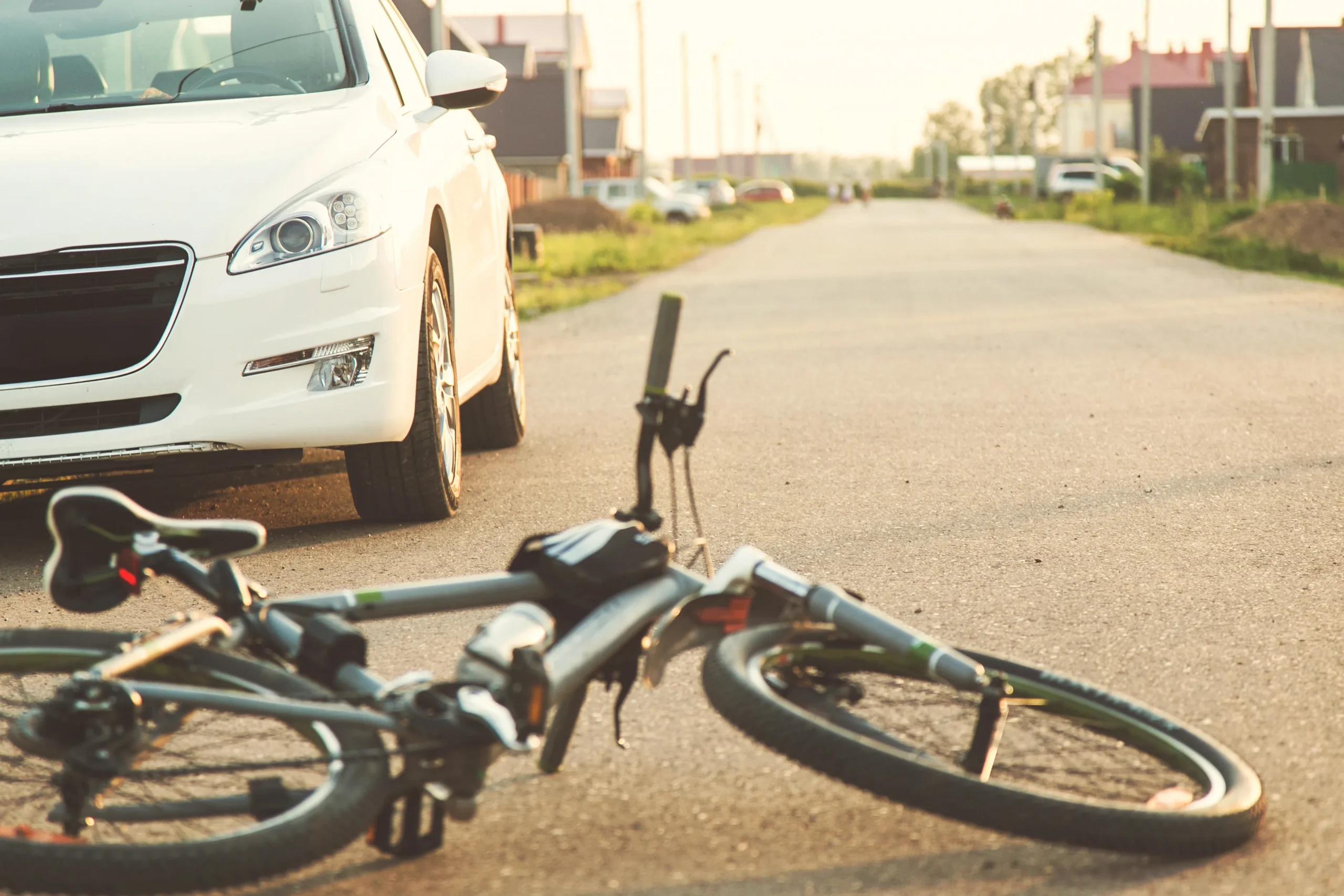
An e-bike accident is a collision or incident involving an electric bicycle. They often occur when a rider comes into contact with a motor vehicle, a pedestrian, or an unsafe road condition. While e-bikes include a motor, California law generally treats them similarly to traditional bicycles, meaning riders have many of the same rights and responsibilities on the road.
These accidents frequently happen in high-traffic areas where cyclists and vehicles share space, such as intersections, bike lanes, and multi-use paths. The specific circumstances of each bicycle crash can influence how fault is evaluated and what legal options may be available.
In legal contexts, California divides electric bicycles into three categories, each with different operating rules that may become relevant in an accident claim:

E-bike accidents often involve higher speeds and heavier equipment than traditional bicycle accidents, which can contribute to more forceful impacts. Even with safety gear, riders remain largely unprotected compared to occupants of motor vehicles, increasing the risk of serious injury in a crash.
Some of the most common injuries reported in e-bike accidents include:
E-bike accidents can occur for many reasons, but certain patterns appear frequently in California bicycle crash claims.
Drivers may underestimate how quickly an e-bike is approaching, especially in intersections or when merging. This miscalculation can lead to unsafe entries into a rider’s path.
Motorists making right turns across bike lanes or left turns through intersections may fail to yield to cyclists. These movements are a common source of bicycle accidents in urban areas.
Road hazards such as potholes, debris, or uneven pavement can pose greater risks at e-bike speeds. A loss of control caused by poor road conditions may contribute to a crash.
Inattentive driving, including phone use or other distractions, can reduce a driver’s ability to notice cyclists. This may result in delayed reactions or failure to yield to an e-bike rider.
Establishing liability in an e-bike accident claim involves examining the facts of the bicycle crash, applicable traffic laws, and the actions of everyone involved. In many cases, a motorist may be responsible for failing to yield, making an unsafe turn, or driving inattentively. However, liability is not automatic and depends on the specific circumstances of the incident.
Evidence such as police reports, witness statements, traffic camera footage, and medical records may all help determine how the crash occurred. A careful review of these details can help clarify who may be legally responsible and what options an injured rider may have.
California follows a pure comparative negligence rule. This means that more than one party can share responsibility for a bicycle crash, and any compensation may be adjusted based on each party’s percentage of fault.
Insurance companies may attempt to argue that an e-bike rider’s speed or the motorized nature of the bicycle contributed to the accident. E-bike accident lawyers often present evidence such as speed data, roadway conditions, and applicable laws to provide a clearer picture of what occurred.
Injured e-bike riders may be able to pursue compensation for losses related to the accident, depending on the facts of the case. These may include:
However, the statute of limitations for filing personal injury claims in California, including e-bike accidents, is generally two years from the date of the incident. Cases involving delayed injury identification or government entities may have different timelines. Missing these deadlines can forfeit your right to file a claim and pursue compensation, so it’s important to act quickly.
The moments after an e-bike accident can be disorienting, but taking certain steps may help protect your health and preserve important information for a potential claim. If you are able to do so safely:
An e-bike accident can raise unique legal and factual questions, especially when speed, roadway access, and motorized components are involved. These factors may influence how a bicycle crash is evaluated under California law.
Bicycle Law’s team of e-bike accident lawyers represents injured cyclists throughout California. Every personal injury case is handled on a contingency fee basis. You do not pay attorney’s fees unless compensation is recovered on your behalf. The fee is typically a percentage of the recovery, and in some cases, clients may be responsible for certain costs as determined by law.
If you were injured in an e-bike accident and have questions about your options, contact Bicycle Law today.

We’re happy to discuss your situation in more detail. Call us now at (866) 835-6529 or email us for a free initial consultation.