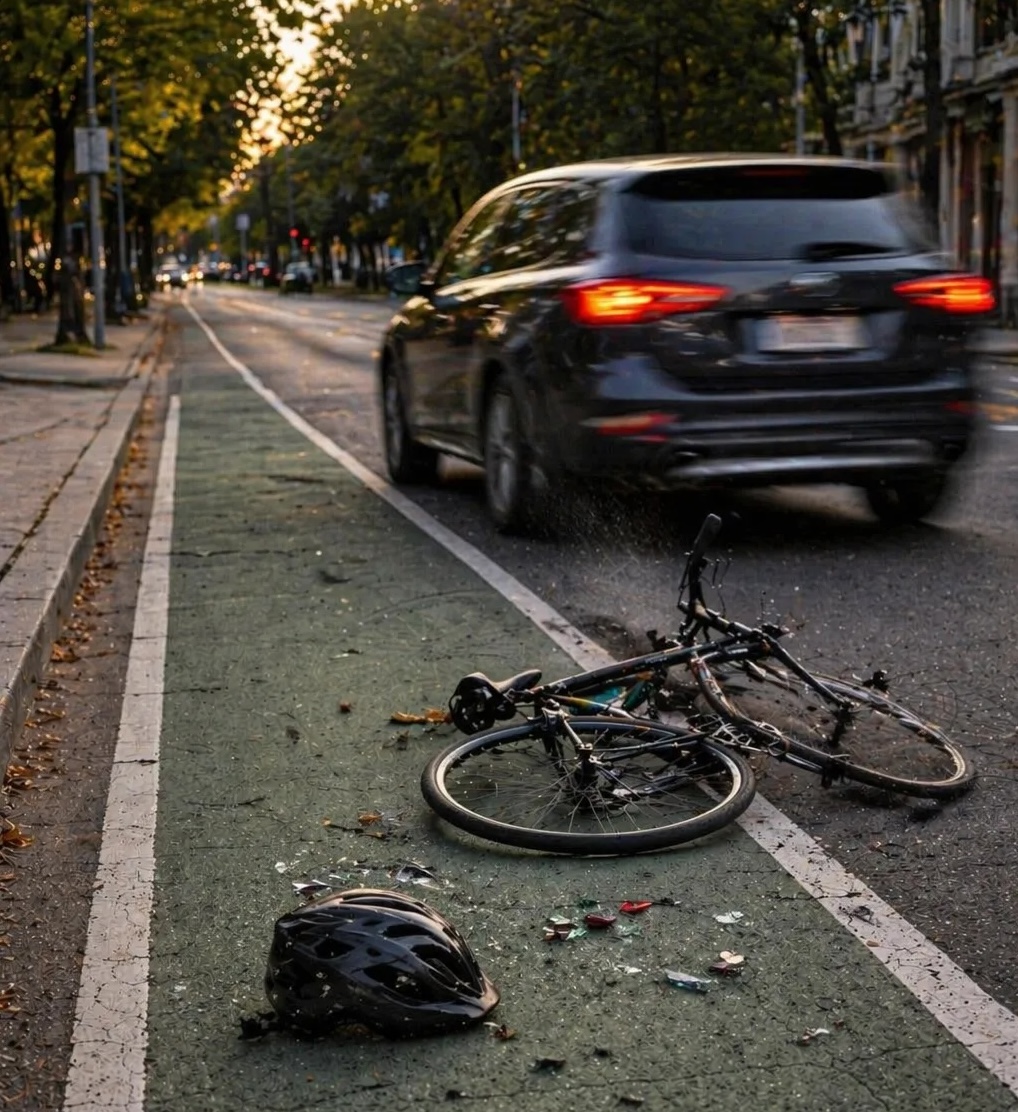
If a motorist does not stay at the location of the accident, cyclists can be left wondering how to pursue compensation for the harm they suffered. Even if the at-fault party is not immediately identified, there may still be avenues for financial recovery through available insurance coverage and supporting evidence.
Compensation Options When the Driver Is Not Found
When the driver in a hit-and-run bicycle accident cannot be identified in California, recovery may come through the injured cyclist’s own insurance policies or other available coverage, such as:
- Uninsured Motorist (UM) Coverage: In California, a hit-and-run is often treated similarly to a crash involving an uninsured driver. UM coverage on an auto policy may apply, even if the cyclist was not driving at the time. However, California law typically requires some physical contact between the vehicle and the bicycle for a UM claim to be valid, though specific circumstances may vary.
- MedPay and health insurance: Medical payments coverage or health insurance may help cover immediate treatment costs while the broader claim is evaluated.
Establishing Liability Without the At-Fault Party
Even if the driver is not present, liability is still based on negligence. Evidence gathered after the crash can help establish how the incident occurred and who may be responsible.
- Physical evidence: Skid marks, vehicle debris, or paint transfer can help reconstruct the sequence of events.
- Surveillance and witnesses: Traffic cameras, security systems, and eyewitness accounts may provide key details about the vehicle and driver behavior.
- Police reports: Filing an official report creates a record of the crash, which is often important when working with insurance carriers.
Potential Forms of Compensation if the Driver Is Identified
When the driver in a hit-and-run bicycle accident can be identified, a claim may be pursued directly against that individual and their insurer. This can provide additional avenues for recovery compared to cases where the driver remains unknown.
- Liability insurance claims: Most claims are handled through the at-fault driver’s auto insurance policy, which may cover damages related to the bicycle crash.
- Personal injury damages: Compensation may include economic damages such as medical expenses and lost income, as well as non-economic damages like pain and suffering, depending on the circumstances.
- Potential for litigation: If an insurance claim cannot be resolved, filing a personal injury lawsuit may be an option to pursue compensation through the court system.
The availability and scope of compensation can vary based on the facts of the case, the insurance coverage involved, and the extent of the injuries.