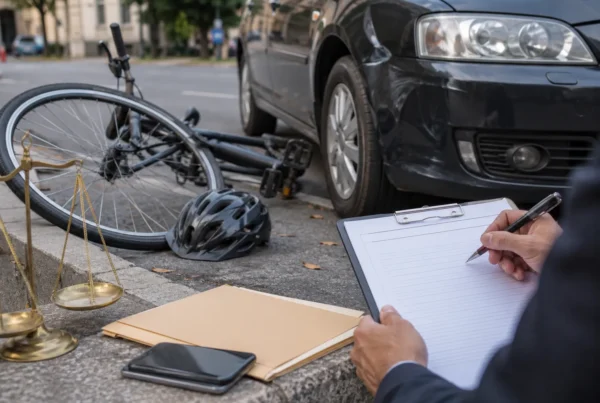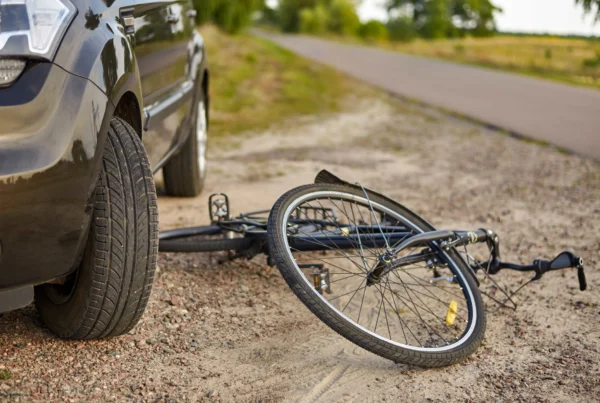

“Dooring” occurs when a driver or passenger opens a vehicle door into the path of an oncoming cyclist. It is a sudden, often unavoidable hazard that leaves riders with little time to react.
Cyclists in California face both physical and legal vulnerability in these situations. A dooring accident can lead to serious injuries, and the aftermath often involves navigating insurance claims and liability questions.
Let’s examine how California law applies to bicycle dooring accidents, who may be at fault, what steps to take after a crash to protect your rights, and how a dooring accident lawyer from Bicycle Law can help.
California Bike Dooring Law: Vehicle Code 22517 Explained
California Vehicle Code 22517 governs when and how vehicle doors may be opened. In plain terms, it prohibits opening a door on the side of a vehicle facing moving traffic unless it is reasonably safe to do so and can be done without interfering with traffic.
“No person shall open the door of a vehicle on the side available to moving traffic unless it is reasonably safe to do so and can be done without interfering with the movement of such traffic, nor shall any person leave a door open on the side of a vehicle available to moving traffic for a period of time longer than necessary to load or unload passengers.”
This rule applies to both drivers and passengers. It also protects cyclists, since bicycles are considered part of traffic under California law.
In a typical dooring scenario, a cyclist is riding alongside parked cars when a door suddenly opens into their path. If the person inside the vehicle failed to check for approaching riders, that conduct may violate Vehicle Code 22517. That violation can serve as evidence of negligence in an injury claim.
Who Is at Fault When a Car Door Hits a Cyclist?
Because California is an at-fault state, the person responsible for causing a dooring accident is generally liable for resulting damages. In most cases, that means the driver or passenger who opened the car door is at fault, since California law requires vehicle occupants to check for approaching traffic, including cyclists, before opening a door. When someone opens a door into a cyclist’s path without checking, they and their insurance coverage may be responsible for medical bills, lost income, and other losses.
However, there are situations where fault can be shared. California follows a comparative negligence system, which means a cyclist’s actions may reduce their recovery by their percentage of fault. For example, a cyclist riding against traffic, traveling too fast for conditions, or riding while distracted could be assigned a percentage of fault.
In some claims, additional parties may also share liability. This can include a vehicle owner or an employer if the driver was working at the time. Each case depends on the specific facts, but most dooring incidents begin with a failure to check for cyclists before opening a vehicle door.
Common Dooring Scenarios and Types of Injuries
Dooring bicycle accidents are often preventable and are not limited to one type of roadway or vehicle. They can occur anywhere cars are parked alongside active traffic.
Common scenarios include:
- A driver opening a door into a bike lane without checking for an approaching cyclist
- A passenger exiting a parked or rideshare vehicle into traffic
- A door opening suddenly in low visibility conditions, such as at night or in heavy traffic
- Multiple doors opening at once along a line of parked cars, leaving no safe path to avoid impact
Severity of Injuries Sustained in Dooring Collisions
Dooring collisions can result in severe injuries because cyclists typically have little to no time to brake or maneuver, increasing the force of impact and the likelihood of being thrown from the bike. These injuries can include traumatic brain injuries, spinal damage, and extensive road rash. Even at moderate speed, an abrupt stop from a car door can cause significant physical harm.
These injuries can carry long-term consequences. Some cyclists face ongoing medical treatment, rehabilitation, or lasting limitations that affect their ability to work and maintain daily routines.
How Cyclists and Drivers Can Avoid Dooring Accidents
Dooring accidents are often preventable with better awareness and simple safety habits. Both cyclists and vehicle occupants play a role in reducing risk, though the legal duty to open a door safely remains with the person inside the vehicle.
To avoid bicycle dooring accidents:
- Ride outside of the “door zone” when possible, leaving at least 3 to 5 feet between your bike and parked cars. This creates space to react if a door opens unexpectedly.
- Scan parked vehicles for signs of movement, such as brake lights, occupied seats, or recently parked cars. These cues can signal that a door may open.
- Maintain a predictable riding line so drivers and passengers can better anticipate your position.
- Drivers and passengers should always check mirrors and blind spots before opening a door into traffic. A quick look can prevent a serious crash.
- Use the Dutch Reach method, which involves opening the door with the far hand. This naturally turns your body and encourages a shoulder check toward oncoming cyclists.
- Stay alert in high-risk areas, such as busy city streets, rideshare drop-off zones, and areas with limited visibility.
What To Do and Your Legal Rights After Being Doored in California
After a dooring accident, taking the right steps can help protect both your health and your ability to pursue a claim.
- Move to a safe location if possible and call 911 to report the crash. Request medical assistance, even if injuries are not immediately clear.
- Seek medical care as soon as possible. This creates a record of your injuries and connects them to the accident.
- Exchange information with the driver or passenger involved, including names, contact details, and insurance information.
- Document the scene. Take photos of the vehicle, the open door, your bicycle, your injuries, and the surrounding area.
- Collect witness information. Witness statements can help establish how the door was opened and whether it was safe to do so.
- Obtain a copy of the police report, which may include important details about fault and the circumstances of the crash.
In California, injured cyclists may pursue compensation for losses related to the dooring accident. This can include medical expenses, lost income, bicycle damage, and pain and suffering. The specific recovery depends on the facts of the case and how fault is assigned.
Keep in mind that personal injury claims, including dooring accidents, generally have a 2-year statute of limitations unless a government entity is involved. Speaking with a California bicycle accident lawyer soon after a dooring accident may help protect your right to pursue a claim.
Consult a California Bicycle Accident Lawyer
Dooring cases often seem straightforward, but they can become complicated once insurance companies get involved. Questions about fault, shared responsibility, and how the crash happened can all affect a claim.
A dooring accident lawyer from Bicycle Law can help evaluate your case. This may include reviewing witness statements, the police report, and how California Vehicle Code 22517 applies to the situation.
If you were injured in a dooring accident in California, contact Bicycle Law today for a free consultation. We represent clients on a contingency fee basis, meaning you do not pay attorney’s fees unless we successfully recover compensation for you. Our fee is typically a percentage of the recovery. In some cases, clients may be responsible for prevailing-party costs as determined by law.