
Road hazards and your rights: What you need to know
We’ve spilled a lot of ink about staying safe on the road when interacting with cars. But there are other, often less obvious threats that can catch us unawares: road defects.
We’ve all encountered them: that jarring pothole that makes your teeth rattle, the sudden dip in the pavement that throws your line off, or the tire-puncturing debris after a construction zone. While we might grumble and keep riding, sometimes these seemingly innocuous hazards can lead to serious crashes and even worse injuries.
It’s incredibly frustrating and frightening to be injured while doing something you love, especially when it feels like it could have been prevented. But what happens when that preventable incident is due to a poorly maintained road? That’s where things get a bit more complex, and it’s something every experienced rider should understand.

Common culprits on our roads

We know these all too well, but before we dive in, it’s worth a quick review of the types of defects that often cause issues:
- Potholes: The classic menace. These sudden depressions can cause you to lose control, flat your tire, or go down hard.
- Uneven pavement: Raised manhole covers, sunken utility cuts, or asphalt patches that don’t quite match the surrounding surface can create a dangerous obstacle course.
- Construction debris: Gravel, rocks, or other materials left behind by construction crews can turn a smooth descent into a minefield.
- Poorly marked bike lanes: Faded lines, confusing merges, or inadequate signage can lead to dangerous interactions with vehicles.
- Lack of shoulder: Especially on some of our more rural training routes, a sudden disappearance of a paved shoulder can force us into traffic.
Understanding liability: Who’s responsible when the road fails you?
When we’re talking about road defects, we’re often talking about government entities: the city, county, or state agencies responsible for maintaining our roads. This is commonly referred to as “government liability.” But it’s not as simple as pointing a finger and saying, “They should have fixed it!” To establish liability, you generally need to prove three key things:
- Duty to Maintain: The government entity had a legal responsibility to maintain that specific stretch of road in a safe condition.
- Breach of Duty: They failed in that duty by not repairing or addressing the dangerous condition. Maybe they knew about it and didn’t fix it, or they should have known about it through reasonable inspection.
- Direct Causation: The dangerous condition was the direct cause of your injuries. This means there’s a clear link between the defect and your crash.

The critical role of “notice”
This is a big one, and it’s often the trickiest part of these cases: “notice.” Government entities generally need to have been aware of the dangerous condition and had a reasonable opportunity to fix it before they can be held liable. Think about it from their perspective: they can’t fix something they don’t know is broken.
“Notice” can come in different forms. Maybe someone else complained about the pothole, or there were previous accidents reported at that location. Sometimes, depending on the severity and duration of the defect, “constructive notice” can be argued — meaning they should have known about it if they were properly inspecting the roads.
What you can do: Your action plan at the scene
We all hope this never happens to us, but if you do find yourself in a situation where a road defect causes a crash, here’s what you can do at the moment of impact (if you’re able) that will be incredibly helpful later:
- Document, document, document! This is paramount. If you can, take photos and videos of the road defect from multiple angles. Get close-ups, but also wider shots that show the surrounding area. This helps pinpoint the exact location.
- Note the exact location: Be as precise as possible. Street names, cross streets, mile markers, even nearby businesses or unique landmarks.
- Witnesses are gold: Did anyone else see what happened? Other cyclists, motorists, or even pedestrians? Get their contact information. Their testimony can be invaluable.
- Report it (if safe): If it’s a major hazard, consider reporting it to the relevant local authorities (city public works, county roads department) once you are safe and able.
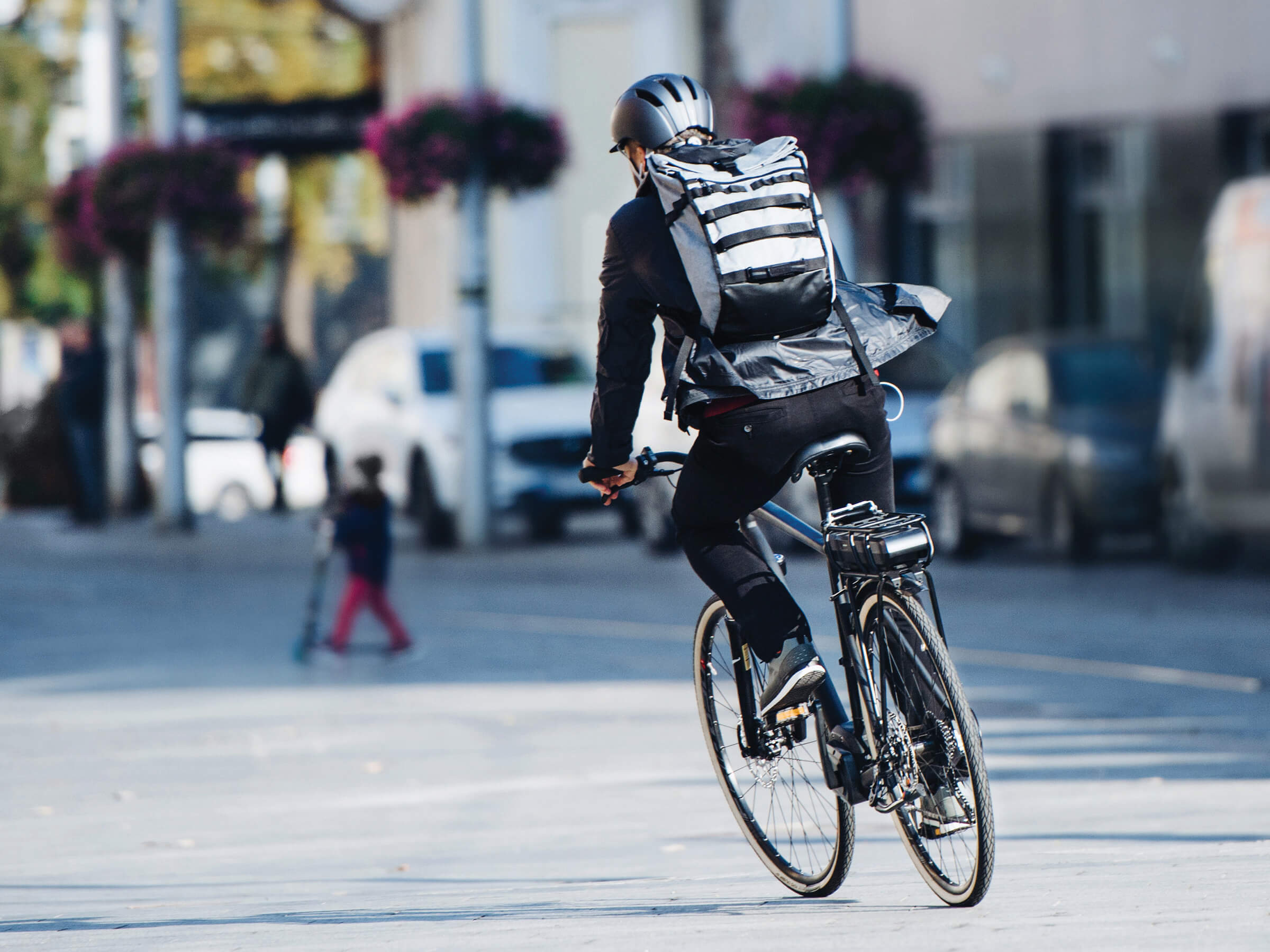 Understanding your rights if something goes wrong is crucial.
Good citizenship: Report it!
Hazards usually don’t get fixed unless they get reported, and even then it frequently takes several reports before an agency takes action. If you come across a hazard, particularly one that will harm a cyclist — but a driver might not consider dangerous — snap a photo and send it in. Many municipalities now use 311 as a reporting tool and it can be very easy to upload the photo with the location. This not only increases the chances the hazard won’t take down a cyclist; it also puts the governmental entity responsible for the road on notice, making it easier for a rider to bring a successful claim if they do get hurt.
The takeaway
While we focus on enjoying our rides, being aware of these potential road hazards and understanding your rights if something goes wrong is a crucial part of being a safe and responsible cyclist. It pays to be prepared for anything on the road, and that includes knowing how to protect ourselves legally if a dangerous road condition causes an injury.
Have you or someone you know been involved in a bicycle crash? Want to know about your rights? Are you a lawyer handling a bicycle crash who wants the best result for your client? Contact Bicycle Law at (866) 835-6529 or info@bicyclelaw.com.
Bicycle Law’s lawyers practice law through Coopers LLP, which has lawyers licensed in California, Oregon, and Washington state, and can affiliate with local counsel on bicycle cases across the country to make sure cyclists benefit from cycling-focused lawyers.