So long, Daylight Saving: Time-change tips
In 2024, the much-maligned shift from Daylight Saving to Daylight Standard time falls (back) on November 3rd — meaning darkness sets in an hour earlier. (Early risers may rejoice at the prospect of extra light during their commute, but that’s not the point of this article.)
With the time change comes a brief spike in accidents for all road users, and with cyclists being some of the most vulnerable, the effect on us is outsized. One study showed a 13% increase in fatal crashes among cyclists and pedestrians after the fall time change. This can (mostly, perhaps obviously) be attributed to changing ambient light conditions. Plainly put: the sun suddenly setting an hour earlier, often during the evening commute, catches many off-guard.
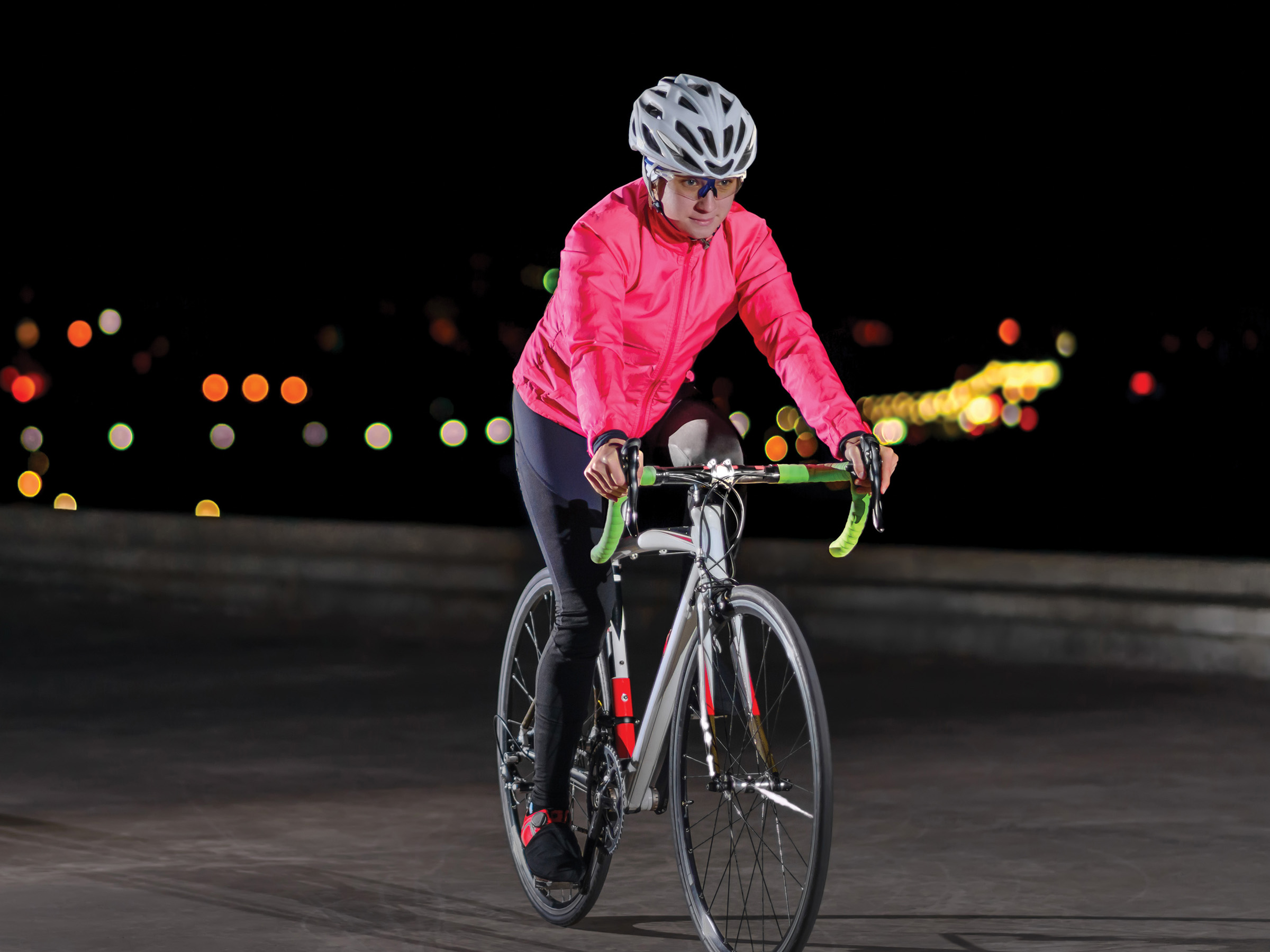
We’ve talked about conspicuity before in greater detail but as a brief refresher, here are some tips to help you stay seen and safe during (and after) the time change.We don’t believe cyclists should have to do all of these things to simply go for a ride — and we are also aware that drivers are more distracted than ever, so any reasonable measure we can take to protect ourselves is worth it.
- Bicycle lights: This one may seem obvious, and can have the greatest effect. Charge those lights up (front and rear) before your ride, make sure they’re bright, and in good working order. If your lights have a “blink” or “flash” setting, it may be more noticeable to drivers than steady state mode. (A note on etiquette, however: if you’re riding in a group, flashes may be more likely to blind a rider behind you, so use your judgment.)
- Reflective material: You don’t have to keep the old-school reflectors that some bike wheels come with (and many of us have removed). However, consider wearing a vest, jacket, or straps with reflective material. You can also buy reflective tape or stickers to apply to your bike or helmet. Yes, there is a risk of looking dorky. But it also can increase nighttime visibility 600-700 feet, which can buy you precious seconds of reaction time from a driver.
- Hi-viz clothing: For a certain set, hi-viz never goes out of style. Bright and/or fluorescent colors can increase nighttime visibility of the wearer from 150 to 560 feet — and daytime visibility from 400 to 2,200 feet! Many brands also sell helmets in neon colors, so even on laundry day, you’ve still got extra protection. Fashion, meet function. Giddy up.
Have you or someone you know been involved in a bicycle crash? Want to know about your rights? Are you a lawyer handling a bicycle crash who wants the best result for your client? Contact Bicycle Law at (866) 835-6529 or info@bicyclelaw.com.
Bicycle Law’s lawyers practice law through Coopers LLP, which has lawyers licensed in California, Oregon, and Washington state, and can affiliate with local counsel on bicycle cases across the country to make sure cyclists benefit from cycling-focused lawyers.