
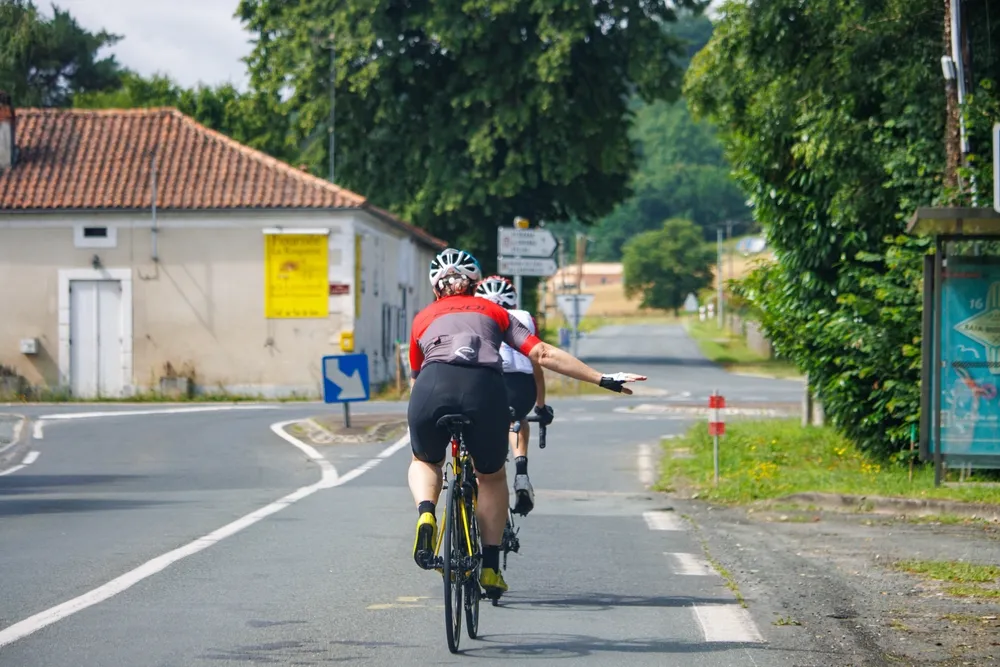
Cyclists riding on public roads have many of the same rights and responsibilities as people driving motor vehicles. One of those responsibilities includes using proper bicycle hand signals to communicate turns, lane changes, and stops to everyone sharing the road. Traffic laws throughout the United States require cyclists to signal before making these movements when it is safe to do so.
Failing to use a hand signal can lead to traffic citations or more serious consequences such as a bicycle accident. After a bicycle accident, an insurance company could argue that an unexpected turn or stop contributed to the collision.
This guide demonstrates the most common bike hand signals riders need to learn, tips for using them, and how a bicycle accident lawyer may be able to help if a crash occurs.
The Three Bike Hand Signals Every Rider Must Know
Every cyclist should know three basic hand signals before riding on public roads. These signals communicate your intentions to drivers, pedestrians, and other cyclists, making your movements more predictable and helping reduce the risk of a collision.
| Signal | How to Perform It | Example |
| Left Turn | Extend your left arm straight out to your left side until it is parallel with the ground. Keep your arm level and your hand open so approaching traffic can clearly see your signal. | 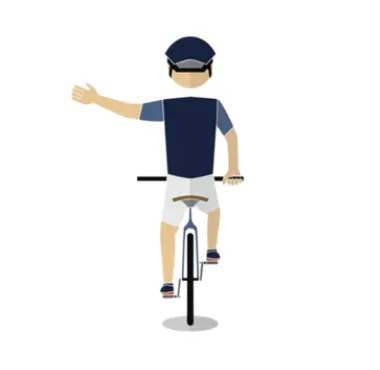 |
| Right Turn | Cyclists generally have two legal options. The traditional signal is extending your left arm outward and bending your forearm upward at a 90-degree angle with your hand pointing toward the sky. Many states, including California and Oregon, also allow cyclists to extend their right arm straight out to the right, which is often easier for drivers to recognize. | 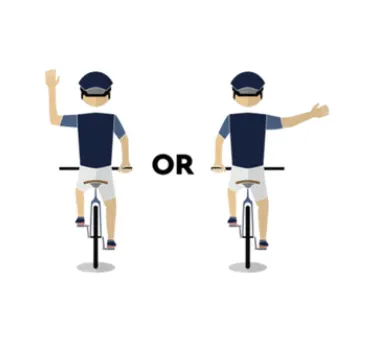 |
| Stop or Slow Down | Extend your left arm outward, then angle your forearm downward at roughly a 45-degree angle with your palm facing behind you. This alerts traffic behind you that you are reducing speed or preparing to stop. | 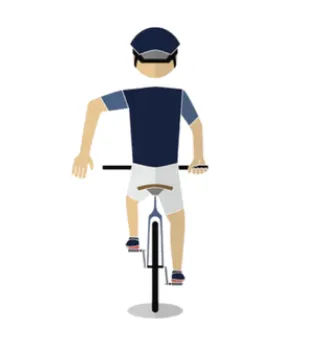 |
Like any riding skill, hand signaling becomes more natural with practice. Use each signal early enough for other road users to recognize your intentions before you change direction or reduce speed. After signaling, return both hands to the handlebars before completing your turn or maneuver to maintain full control of the bicycle.
Tips to Safely Signal in Heavy Traffic and Intersections
Using the correct hand signal and timing its usage are only one part of safe riding. Consider adding the following tips to your cycling habits:
- Always check behind you. Before moving into another lane or preparing to turn, look over your left shoulder to assess approaching traffic. This quick rearward check helps you determine if it is safe to change your position on the road.
- Signal well before your turn. In California and Oregon, cyclists generally should begin signaling at least 100 feet before turning or stopping when a signal is required. Hold the signal long enough for drivers and other road users to recognize your intent, usually about 2 to 3 seconds. Waiting until the last moment or signaling only briefly reduces the effectiveness of the gesture.
- Keep both hands on the handlebars during the turn. After you have finished signaling, return your hand to the handlebars before making the turn. Maintaining a secure grip gives you better control over steering and braking while crossing intersections, pavement markings, railroad tracks, or uneven road surfaces.
- Prioritize control of the bicycle. If removing one hand from the handlebars would create an unsafe situation, focus on maintaining control. Rough pavement, strong winds, heavy traffic, or sudden hazards can make signaling unsafe. California and Oregon law recognize that cyclists are not expected to signal when doing so would prevent safe operation of the bicycle.
Why Using Hand Signals Matters (in case of a Bike Accident)
California and Oregon generally require cyclists to use hand signals before turning or stopping when their actions could affect traffic, provided it is safe to do so. Failing to signal can increase the risk of a collision and become an important issue if a bicycle accident leads to an insurance claim or lawsuit.
After a crash, the driver’s insurance company will often examine whether the cyclist followed the rules of the road. If the insurer argues that you turned unexpectedly or changed direction without signaling, it could claim that you contributed to the accident. California’s comparative negligence law allows fault to be shared between multiple parties, meaning your compensation could be reduced by your percentage of fault.
Using the proper hand signal helps demonstrate that your movements were lawful and predictable. Witness statements, dash camera footage, helmet camera recordings, or traffic camera video showing that you signaled before turning or stopping can serve as valuable evidence when fault is disputed.
Even if an insurance company claims you failed to signal, that does not necessarily prevent you from pursuing compensation. A bicycle accident attorney can investigate the circumstances of the collision, gather available evidence, and work to challenge unsupported allegations that you caused or contributed to the crash.
Protect Your Rights After a Bicycle Crash
Bicycle Law focuses exclusively on representing injured cyclists. If an insurer claims you failed to signal or acted unpredictably, our attorneys can work to gather the evidence needed to evaluate those allegations, including dash camera footage, traffic camera recordings, witness statements, police reports, and other documentation that helps establish what happened. A thorough investigation can provide important context that is not always reflected in an initial accident report.
If you were injured in a bicycle crash in California or Oregon, contact Bicycle Law for a 100% free consultation. We work exclusively on a contingency fee basis for injury cases. You pay no attorney fees or costs unless we recover compensation for you.