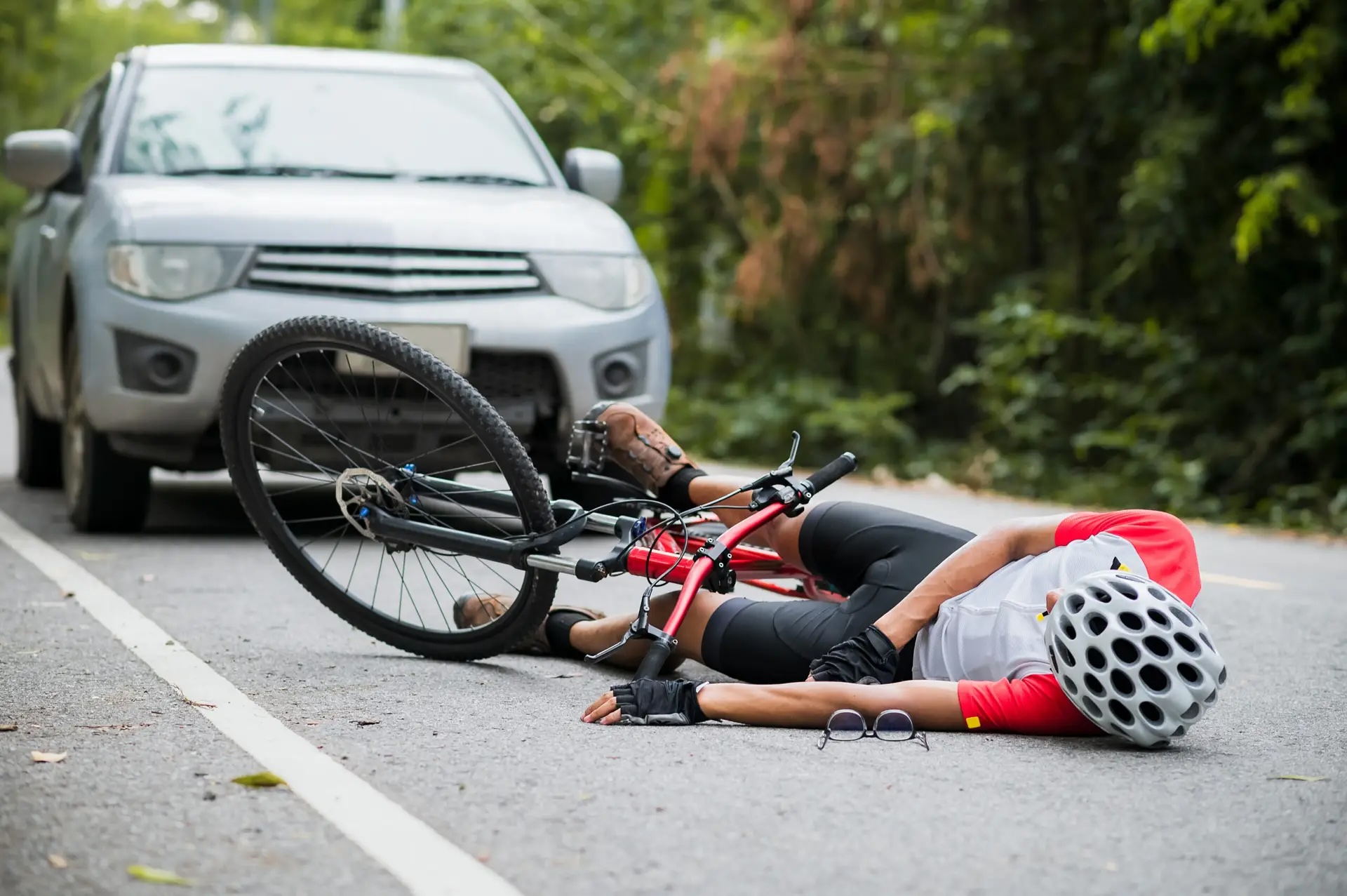
A bicycle accident can change a rider’s life in seconds. Symptoms can appear hours or even days later, and some traumatic brain injuries (TBIs) develop without a loss of consciousness or visible damage to a bicycle helmet. These injuries often require ongoing medical evaluation, rehabilitation, and careful monitoring. For some riders, the effects of a TBI can persist long after the accident, resulting in lasting physical, cognitive, and emotional challenges.
Cyclists of all ages can suffer a traumatic brain injury during a collision with a motor vehicle, a fall caused by unsafe road conditions, a dooring incident, or another type of bicycle crash. This guide explores common types of bicycle-related head injuries, symptoms to watch for, how these injuries are diagnosed, and the legal issues that often arise after a bicycle accident in California.
Types of Bicycle-Related Head and Brain Injuries
The Centers for Disease Control and Prevention (CDC) estimated that there were nearly 600,000 emergency department visits for bicycle-related TBIs in the United States between 2009 and 2018 alone. Not every bicycle injury looks the same; some riders experience mild symptoms that resolve within a few weeks, while others face long-term cognitive, physical, or emotional challenges.
Some of the most common bicycle head injuries include:
- Concussion: A concussion is a mild traumatic brain injury caused by a blow or jolt to the head. Common symptoms include headaches, dizziness, confusion, memory problems, nausea, and difficulty concentrating. Loss of consciousness is not required for a concussion to occur.
- Skull Fracture: A skull fracture occurs when one or more bones of the skull break during an impact. Some fractures are relatively minor, while others can damage underlying brain tissue or blood vessels. Medical imaging is often needed to determine the extent of the injury.
- Cerebral Contusion: A cerebral contusion is a bruise on the brain that occurs when the brain strikes the inside of the skull during a collision or fall. Depending on its location and severity, it can affect memory, speech, movement, and other neurological functions.
- Intracranial Hematoma: An intracranial hematoma occurs when blood collects inside the skull, placing pressure on the brain. Because this condition can become life-threatening, prompt diagnosis and treatment are critical, and symptoms may not always appear immediately after an accident.
- Diffuse Axonal Injury: Diffuse axonal injury occurs when sudden movement causes the brain to shift inside the skull, damaging nerve fibers throughout the brain. Often associated with high-impact crashes, these injuries can result in severe and lasting neurological impairment.
- Whiplash and Related Neck Injuries: Head injuries are often accompanied by neck trauma. Whiplash and other cervical spine injuries can produce headaches, dizziness, balance problems, and other symptoms that overlap with a traumatic brain injury. Medical providers often evaluate both conditions together after a serious bicycle crash.
Symptoms of a Traumatic Brain Injury After a Bike Accident
Symptoms of a TBI do not always appear immediately after a bicycle accident. Paying attention to changes in physical, cognitive, and emotional functioning can help ensure appropriate medical evaluation and create an accurate record of the injury.
Common symptoms of a concussion or traumatic brain injury include:
- Headache or persistent head pressure
- Dizziness or balance problems
- Confusion or difficulty concentrating
- Memory gaps surrounding the accident
- Nausea or vomiting
- Fatigue or unusual drowsiness
- Blurred vision
- Sensitivity to light or noise
- Slowed thinking or delayed reactions
- Difficulty finding words or communicating clearly
Some symptoms may indicate a more serious brain injury and require immediate medical attention. Emergency evaluation may be appropriate if a rider experiences:
- A worsening headache
- Repeated vomiting
- Seizures
- Loss of consciousness
- Significant confusion or disorientation
- Weakness or numbness in the arms or legs
- Unequal pupil size
- Difficulty waking up or remaining alert
Effects of Bicycle TBIs
The effects of a bicycle head injury can extend well beyond the initial recovery period. Some riders experience ongoing challenges that affect daily life, including:
- Memory and concentration difficulties
- Mood changes, anxiety, or depression
- Sleep disturbances
- Increased irritability or emotional sensitivity
- Chronic headaches
- Reduced tolerance for physical or mental activity
Persistent symptoms can affect a person’s ability to work, attend school, maintain relationships, or participate in activities they previously enjoyed. They may also lead to ongoing medical treatment, therapy, and rehabilitation needs.
If you’re considering pursuing a bicycle accident claim, documenting your symptoms and injuries is often crucial. Medical records, follow-up appointments, symptom journals, and reports from treating providers can help establish how the injury has affected daily functioning over time.
How Drivers Cause Bicycle Head Injuries
According to the World Health Organization (WHO), “Head injuries occur in 22–47% of cyclists’ injuries (often because of a collision with a motor vehicle) and are responsible for over 60% of all cyclist-related deaths and most of the long-term disabilities.” Even bicycle accidents that seem minor at first may cause head trauma when a rider strikes the pavement, a vehicle, a fixed object, or another obstacle during a collision.
Many of these injuries and accidents are caused by preventable negligence, such as:
- Dooring accidents: A driver or passenger opens a vehicle door into a cyclist’s path, leaving little or no time to react.
- Left-turn collisions: A driver turns across the path of an oncoming cyclist who has the right-of-way.
- Unsafe passing incidents: A motor vehicle passes too closely and strikes or forces a cyclist off the road.
- Intersection violations: Drivers fail to yield, run stop signs, ignore traffic signals, or otherwise fail to see and react to cyclists.
Dangerous roadway conditions can also contribute to serious crashes. Potholes, uneven pavement, poorly designed bicycle infrastructure, construction hazards, and debris in bike lanes may create conditions that lead to falls or collisions.
Compensation for Bicycle-Related Brain Injuries
When a driver, property owner, government entity, or another party contributes to a bicycle-related head injury, the cyclist may have grounds to pursue a legal claim. The compensation available depends on the specific facts of the case, the severity of the injuries, and the losses that can be documented.
Economic Damages
Economic damages are intended to address the financial costs associated with the injury. Depending on the circumstances, these damages may include:
- Emergency medical treatment and hospitalization
- Diagnostic testing, including CT scans and MRIs
- Follow-up care with neurologists and other specialists
- Physical therapy, occupational therapy, and cognitive rehabilitation
- Prescription medications and medical equipment
- Future medical treatment and long-term care needs
- Transportation expenses related to medical appointments
- Lost wages during recovery
- Reduced earning capacity
- Loss of future career opportunities
- Loss of employment benefits
Non-Economic Damages
Brain injuries often create losses that do not appear on medical bills or pay stubs. California law may allow recovery for non-economic damages related to the human impact of the injury, including:
- Physical pain and discomfort
- Emotional distress
- Anxiety, depression, or other psychological effects
- Loss of enjoyment of life
- Changes to personal relationships
- Cognitive and behavioral challenges that affect daily activities
Wrongful Death Claims Related to Bicycle Accident TBIs
In fatal bicycle head injury cases, surviving family members may have the right to pursue a wrongful death claim under California law. Certain claims belonging to the deceased person may also continue through a survival action. The damages available in these cases depend on the specific facts and applicable law.
How a Bicycle Injury Attorney Helps After a Head Injury
A bicycle head injury can create uncertainty long after the crash itself. Medical treatment, insurance communications, and ongoing symptoms often become difficult to manage simultaneously. An attorney can help investigate the accident, identify potentially responsible parties, preserve evidence, and communicate with insurance companies while you focus on recovery.
Bicycle Law works with injured cyclists to gather medical records, document the impact of ongoing symptoms, evaluate potential damages, and pursue compensation through settlement negotiations or litigation when appropriate. Our firm has represented California cyclists and their families for over 2 decades. We offer 100% free consultations and work exclusively on a contingency fee basis, meaning you pay no attorney fees or costs unless we recover compensation for you.
If you or a loved one suffered a TBI after a bicycle accident in California, contact Bicycle Law today.
FAQs About Bicycle Head Injuries
Will a helmet protect against bicycle head injuries?
A helmet can help reduce the risk and severity of certain head injuries, but it cannot prevent every concussion or traumatic brain injury. Head injuries can still occur due to the forces involved in a bicycle crash, even when a helmet shows little or no visible damage.
Can I still file a claim if I was not wearing a helmet?
Yes, you may still have a legal claim even if you were not wearing a helmet. California follows a comparative negligence system in which multiple parties can share fault, which means the facts of the accident and the cause of the injuries will be evaluated when determining liability and potential damages. If you are found to be partially at fault, your compensation may be reduced by your assigned percentage of fault.
How common are TBIs in a bicycle accident?
Traumatic brain injuries are among the most common serious injuries associated with bicycle crashes. Research has found that head injuries occur in a significant percentage of bicycle accidents, and TBIs account for a substantial share of severe and fatal cycling injuries.
How long do I have to take legal action for a bicycle brain injury?
In California, the statute of limitations for most bicycle injury claims is generally two years from the date of the accident. Exceptions may apply in certain situations, including claims involving government entities, so it is often helpful to speak with an attorney as soon as possible after a bicycle crash to learn what timelines may apply to your case.