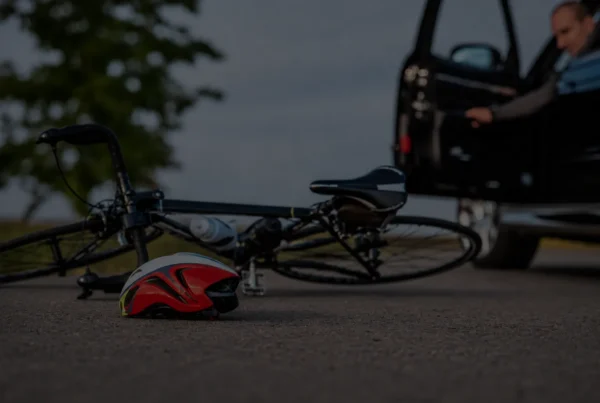

A bicycle accident can leave you managing painful injuries, damage to your bike, and unanswered questions about what comes next. The Oregon claims process can add another layer of stress, especially when an insurance company asks for information before you have had time to understand the full impact of the crash.
This guide explains the steps Oregon cyclists can take after a crash with a motor vehicle, how insurance claims generally work, and the legal rights that may apply. It also outlines how to document your losses, communicate with insurers, and protect your ability to pursue compensation when another party may be responsible.
Steps to File an Insurance Claim After an Oregon Bicycle Accident
After a bicycle accident in Oregon, the insurance process often involves several separate claims, documents, and deadlines.
1. Submit the Oregon DMV Accident Report
If your bicycle accident involves a vehicle and causes injury, death, or more than $2,500 in property damage, Oregon law requires a Traffic Accident and Insurance Report to be filed within 72 hours. This report creates an official record of the incident and provides documentation insurers may request during the claims process.
2. Open a Personal Injury Protection Claim
Notify the appropriate auto insurer as soon as possible to open a Personal Injury Protection (PIP) claim. Depending on the available policies and circumstances of the crash, PIP coverage may help pay certain immediate medical expenses on a no-fault basis while the liability claim is still being evaluated.
3. Notify the At-Fault Driver’s Insurance Carrier
Contact the at-fault driver’s liability insurer to establish a third-party claim and obtain a claim number. At this early stage, it is generally prudent to provide only the information needed to identify the crash and begin the claim. In most cases, you should avoid giving a recorded statement or discussing settlement figures before the full extent of your losses is known.
4. Submit Property Damage Proof for Your Bicycle and Gear
The property damage portion of a claim is typically handled separately from the bodily injury claim. Submit clear photographs of damage to your bicycle, helmet, gear, and other related equipment, along with purchase receipts and a bike shop inspection or repair estimate.
5. Issue a Formal Settlement Demand Package
Once your medical condition has stabilized, a cyclist or their attorney may prepare a formal settlement demand for the insurance adjuster. The package generally includes medical records and bills, wage-loss documentation, evidence of property damage, and information describing the physical and personal effects of the injuries.
Important Deadlines for Oregon Bicycle Claims
Oregon law sets several deadlines that may apply after a bicycle crash, and missing a required deadline can permanently prevent an injured cyclist from pursuing compensation.
- Oregon DMV accident report: When a bicycle accident involves a motor vehicle and results in injury, death, or reportable property damage, the motor vehicle driver must submit an Oregon Traffic Accident and Insurance Report to the DMV within 72 hours. Cyclists may want to preserve a copy of any available report.
- Oregon Tort Claims Act notice: If a public entity may be responsible, such as a TriMet bus operator, a city vehicle driver, or a government agency responsible for a hazardous road condition, Oregon law generally requires notice of the claim within 180 days of the injury. This notice requirement is separate from filing a lawsuit and may apply well before the standard deadline for an injury case.
- Personal injury lawsuit: Most Oregon personal injury lawsuits must be filed within two years of the date of injury. Waiting too long to investigate a claim, gather records, or seek legal guidance can leave too little time to meet this deadline.
Exceptions may apply to these deadlines in specific circumstances. An Oregon bicycle attorney can help you identify which deadlines are relevant to your case.
Essential Documentation for Oregon Crash Claims
Insurance companies often rely on documentation to evaluate how a crash occurred, who may be responsible, and what losses the cyclist is claiming. Gathering and preserving records early can make it easier to provide a complete account of the crash and its effects.
You may want to keep copies of the following:
- Official police reports and photographs of the crash scene, vehicles, roadway conditions, and visible injuries.
- Complete medical records, treatment notes, and bills that document the care received after the crash.
- Bicycle repair estimates, receipts, and photographs of damaged riding gear, including lights, clothing, and accessories.
- Names and contact information for witnesses who saw the crash or its immediate aftermath.
- Records of missed work, including employer communications, pay stubs, and other documentation of lost wages.
In most cases, you should not repair, discard, or replace the damaged bicycle or helmet before they have been photographed and evaluated. Preserve both items in the condition they were in after the crash, as damage to the equipment may help document the force and circumstances of the impact.
How PIP and Uninsured Motorist Coverage Work
Oregon requires all motorists to carry a minimum of $15,000 per person in PIP coverage. Oregon’s minimum PIP includes coverage for reasonable and necessary accident-related medical expenses incurred within two years of the injury. PIP may also provide limited wage-loss benefits and other benefits under the policy, subject to statutory requirements, policy terms, and applicable limits. PIP may be available through the applicable auto policy regardless of who caused the crash.
State law also requires uninsured and underinsured motorist (UM/UIM) coverage in the amount of $25,000 per person and $50,000 per accident for bodily injury. This coverage may come into play when the at-fault driver has no insurance, does not carry enough liability coverage, or leaves the scene. Depending on the policy and the cyclist’s household relationship to the insured person, a cyclist may be able to make a UM/UIM claim under their own auto policy or a household member’s policy for covered bodily injury losses that remain after other available coverage is considered.
Handling Insurance Companies After a Crash
An insurance adjuster evaluates the available coverage, the facts of the crash, and the losses being claimed. In doing so, the insurer may raise arguments about a cyclist’s conduct, such as alleged failure to follow traffic laws, inadequate visibility, or unsafe positioning in the roadway, to assign a share of fault to a cyclist and reduce the amount it pays.
Because Oregon follows a modified comparative fault rule (ORS 31.600), an injured cyclist may still recover compensation if their share of fault is 50 percent or less, but any recovery is reduced by that percentage. A cyclist found more than 50 percent at fault cannot recover damages from the other at-fault parties.
Be cautious about giving an early recorded statement to the opposing insurer. You can generally provide the information needed to open the claim, but a recorded statement made before the evidence is gathered and the medical consequences are understood may later be used in the insurer’s evaluation of fault or damages. The same caution applies to an initial settlement offer, which may arrive before treatment is complete or before the long-term effect of an injury is clear.
A bicycle accident lawyer can help handle insurer communications and negotiations.
Common Mistakes in the Claim Process
The steps taken in the hours, days, and weeks after a bicycle crash can affect the information available to an insurer. Avoiding a few common mistakes can help preserve a clear record of what happened and the losses connected to the crash.
- Admitting fault or apologizing at the scene: Statements made while you are injured, shaken, or still trying to understand the accident can be misunderstood or used to support an argument that you were responsible. Focus on getting medical help, exchanging required information, and providing factual details to law enforcement.
- Delaying treatment or having gaps in care: Waiting to seek medical attention or missing recommended follow-up care can make it more difficult to document the connection between the crash and your injuries. Some injuries also become more apparent after the initial impact.
- Posting about the crash or recovery on social media: Insurers may review public posts, photographs, comments, and location tags when evaluating a claim. Even a post that seems harmless can be taken out of context, so consider limiting public discussion of the accident, your activities, and your recovery.
- Discarding damaged property too early: Keep broken bicycle parts, damaged clothing, a helmet, and other gear until the claim is resolved or the insurer has had a reasonable opportunity to inspect them. These items may help document the crash and support the property-damage portion of the claim.
Get Legal Support for Your Oregon Accident Claim
Managing insurance requirements, gathering evidence, and communicating with adjusters can be difficult while you are recovering from physical injuries. Bicycle Law is dedicated to helping injured cyclists and may be able to review the circumstances of your Oregon bicycle accident claim, identify available insurance coverage, and explain the next steps.
If you or a loved one was injured in a bicycle accident with a motor vehicle, contact Bicycle Law for a free consultation. We work exclusively on a contingency fee basis for all injury cases. You pay no attorney fees or costs unless we recover compensation for you.
FAQs About Oregon Bike Accident Insurance Claims
Do I have to pay my medical bills before a bicycle accident claim settles in Oregon?
It depends on the coverage available, the provider, and the treatment you need. PIP coverage may help pay eligible accident-related medical expenses, and health insurance may apply after available PIP benefits are exhausted, but medical providers can still expect payment while a claim is pending.
What if the driver who hit me is uninsured?
You may be able to make an uninsured motorist claim through your own auto policy or, in some circumstances, a household member’s policy. A hit-and-run driver may also trigger uninsured motorist coverage, but the available coverage and claim requirements depend on the policy and the facts of the crash.
How long does it take to settle a bicycle accident claim in Oregon?
There is no standard timeline for a bicycle accident claim settlement in Oregon. Your medical recovery, the available evidence, disputes over fault, and the insurance coverage involved can all impact the timeline.