
Radar love
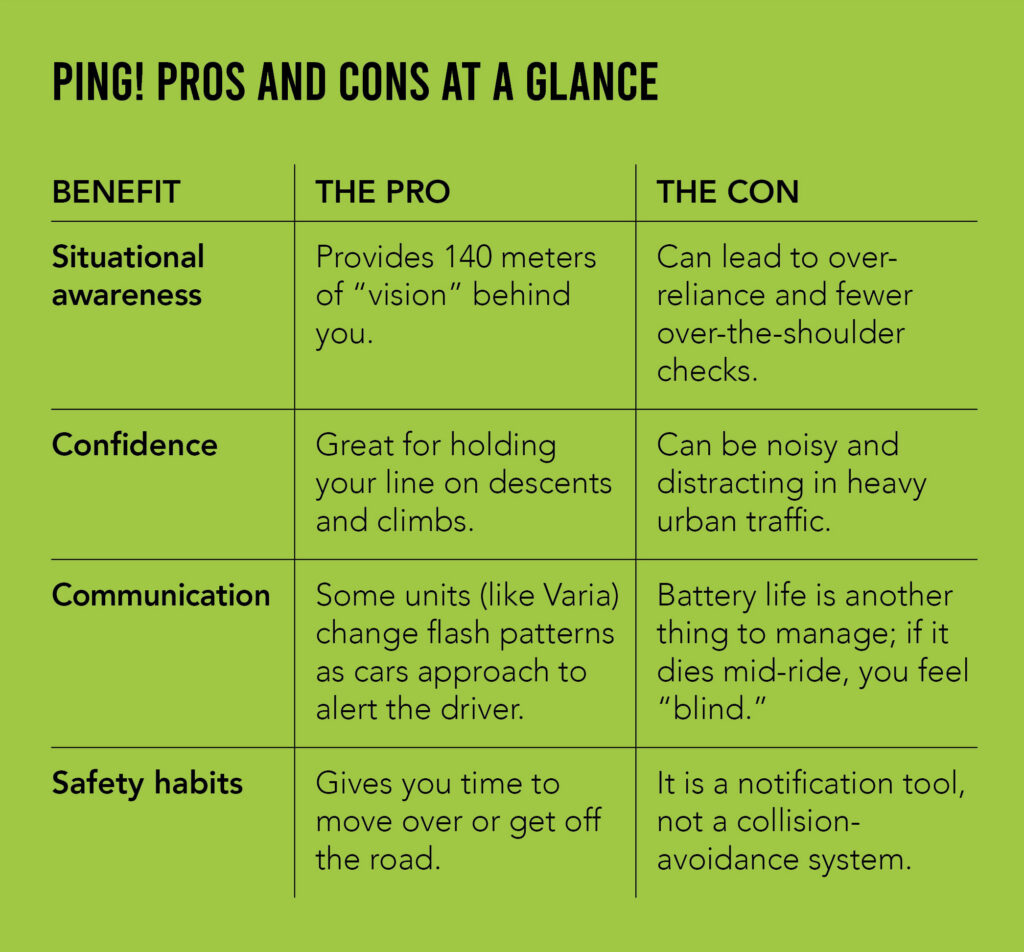
If you’ve ridden in a group lately, you’ve likely heard it: that distinct, rhythmic chirp coming from a head unit. It’s the sound of the Garmin Varia (or its newer competitors like the Trek CarBack and Wahoo Trackr), a vehicle-detecting radar that has quickly moved from expensive gadget to essential equipment for some cyclists.
But as with any technology that enters the safety space, the feedback from the road is nuanced. Is it a life-saver, a nuisance, or just another beep in a world already humming with high-tech devices? We asked a sample of local riders to learn more about their experiences with radar. (Only first names have been used. We’re grateful to everyone who shared with us.)
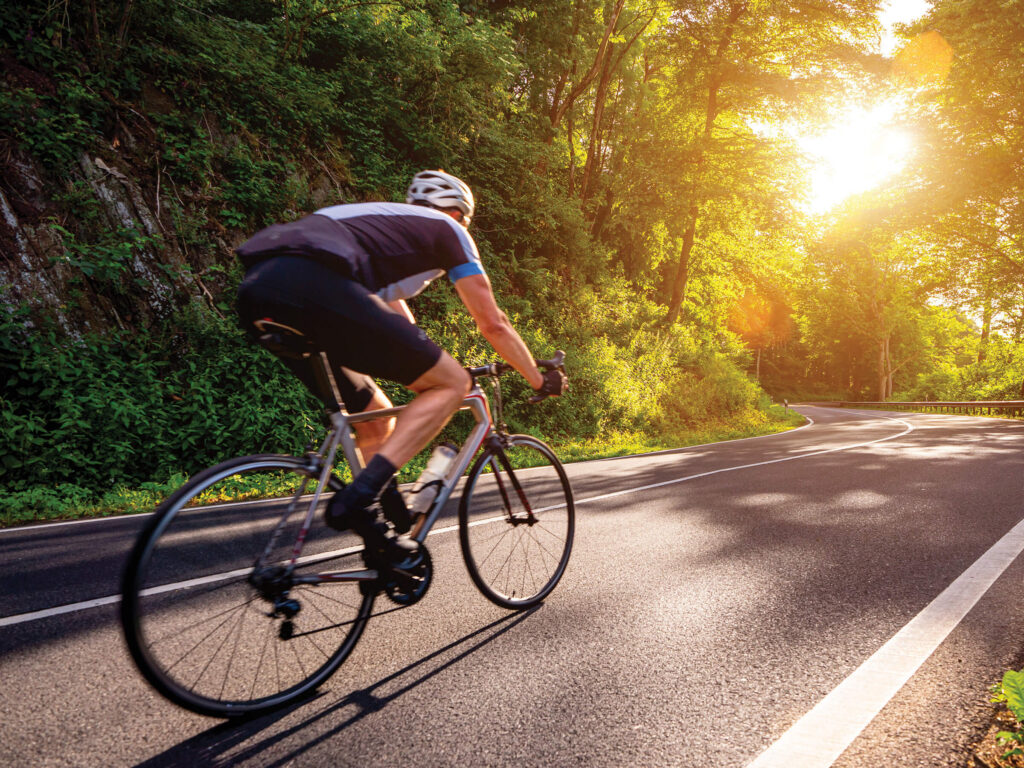
Eyes in the back of your head
For many, the radar isn’t just about preventing vehicle strikes from behind — it’s about mental bandwidth.
- The descender’s edge: John pointed out a specific use case that often gets overlooked: high-speed descents. “When descending on a busy-ish route, I get to know if the driver behind me is trying to gain ground or attempt a stupid pass,” John noted. Instead of performing a precarious shoulder check while leaning into a corner at 35 mph, the radar allows him to keep his eyes on the apex, knowing exactly what’s breathing down his neck.
- The rural sentinel: On quiet country roads, the silence is part of the appeal, but it can also lead to a false sense of solitude. One rider (handle: Speed Racer) finds radar most useful here. It provides a “heads up” before you can even hear the engine, giving you precious seconds to find a wider shoulder or pull into the dirt if the approaching vehicle sounds aggressive.
- Efficiency of movement: Bob uses the radar as a filter. By looking at the indicator on his computer, he decides if it’s even worth looking over his shoulder. If the bar is red, he stays put. If it’s clear, he does his final physical check and moves. It saves the physical strain of constant “paranoia checks” on long rides along well-traveled roads.
Foils and foibles
Along with the praise, there are clear boundaries to where this tech is actually useful.
- The urban “noise” problem: Alex notes that for city commuting, radar is essentially pointless. When you’re riding through the Mission or along Market Street, there is almost always a car behind you. “The radar confirming that doesn’t do much,” Alex says. In high-density traffic, the constant beeping becomes white noise, losing its effectiveness as an alert system.
- The nihilist’s view: There is a sobering reality to the physics of cycling. As RJ put it bluntly: “Ultimately, if a car is gonna hit me, they’re gonna hit me.” A radar doesn’t provide a physical shield. While it helps with situational awareness, it cannot account for a distracted or incapacitated driver drifting onto the shoulder at the last microsecond.
- Group etiquette: If you’re riding in a tight paceline or at a cycling track like the Polo Fields, a flashing rear light can be blinding to the person on your wheel. Many experienced riders, like Bob, take theirs off during group sessions or daylight track sets to avoid being a distraction to their peers.
An analog alternative
Interestingly, the conversation about radar often leads back to one basic sense: hearing. Russell suggests a lower-tech solution: “Cat-Ears.” These are small, faux-fur attachments for helmet straps that dissipate wind noise, not unlike the furry windshield you see on influencers’ microphones. By reducing the “whoosh” in your ears, they allow you to hear approaching tires and engines much earlier than you would otherwise. A further bonus: the noise reduction helps those suffering from concert, artillery, and heavy machinery-induced tinnitus. They may look a little “funny” (as RJ noted), but for riders who want to stay connected to their environment without a digital interface, they are a useful passive safety tool.
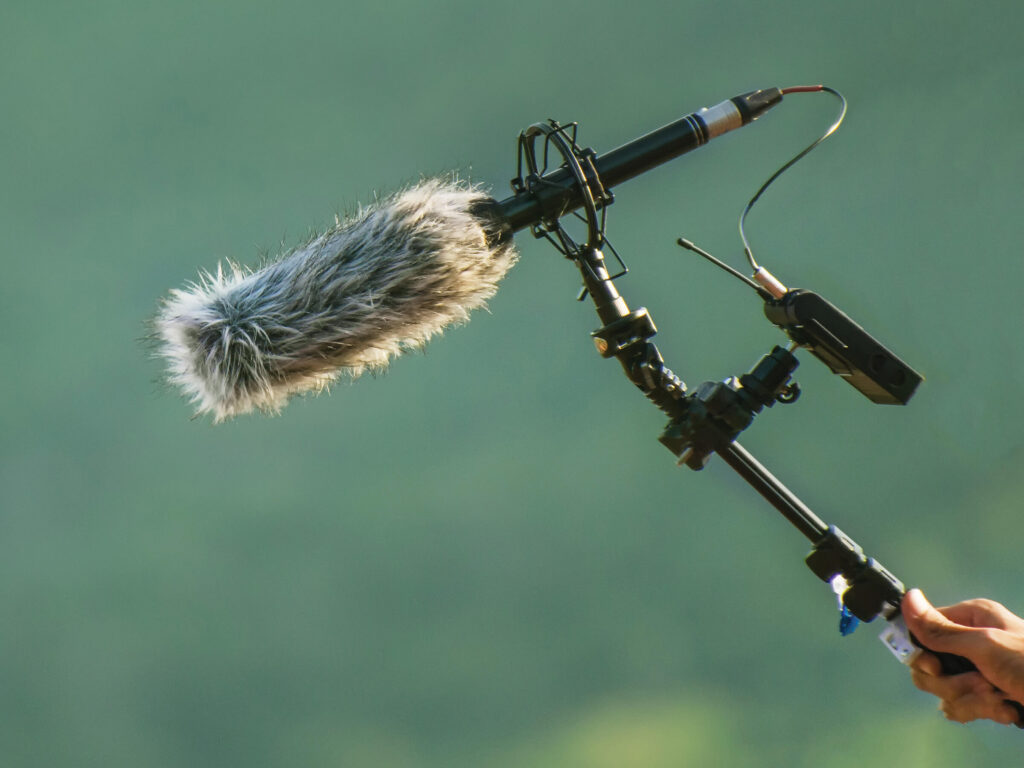 “Cat-Ears” work similarly to the furry windshield on microphones.
Over and out
At Bicycle Law, we see the aftermath of collisions every day. While no piece of tech replaces a defensive riding mindset and a vigilant shoulder check, the consensus is clear: Information is power. Whether you choose a radar to manage your mental load on a descent or opt for Cat-Ears to sharpen your natural senses, the best tool is the one that makes you more aware of your surroundings. Just remember: the radar is a teammate, not a replacement for your own eyes and ears. Regardless of what the screen says, it’s best to look when you sense a threat.
Have you or someone you know been involved in a bicycle crash? Want to know about your rights? Are you a lawyer handling a bicycle crash who wants the best result for your client? Contact Bicycle Law at (866) 835-6529 or info@bicyclelaw.com.
Bicycle Law’s lawyers practice law through Coopers LLP, which has lawyers licensed in California, Oregon, and Washington state, and can affiliate with local counsel on bicycle cases across the country to make sure cyclists benefit from cycling-focused lawyers.